
Should you go private? Private Financial Dispute Remedy

Private Financial Dispute Remedy hearings, (private FDR or pFDR), are becoming increasingly popular in recent years. In fact, they are replacing their court scheduled in-court FDR.
What is a pFDR, and what benefits could opting to attempt to settle matters privately bring?
A Private FDR replaces a court timetabled FDR. This is the second main hearing in the court timetable. It takes place after the parties have already first attended a First Directions Appointment (FDA) together. They can be succinctly summarised by this quote from the late Sir James Munby, the former President of the Family Division:
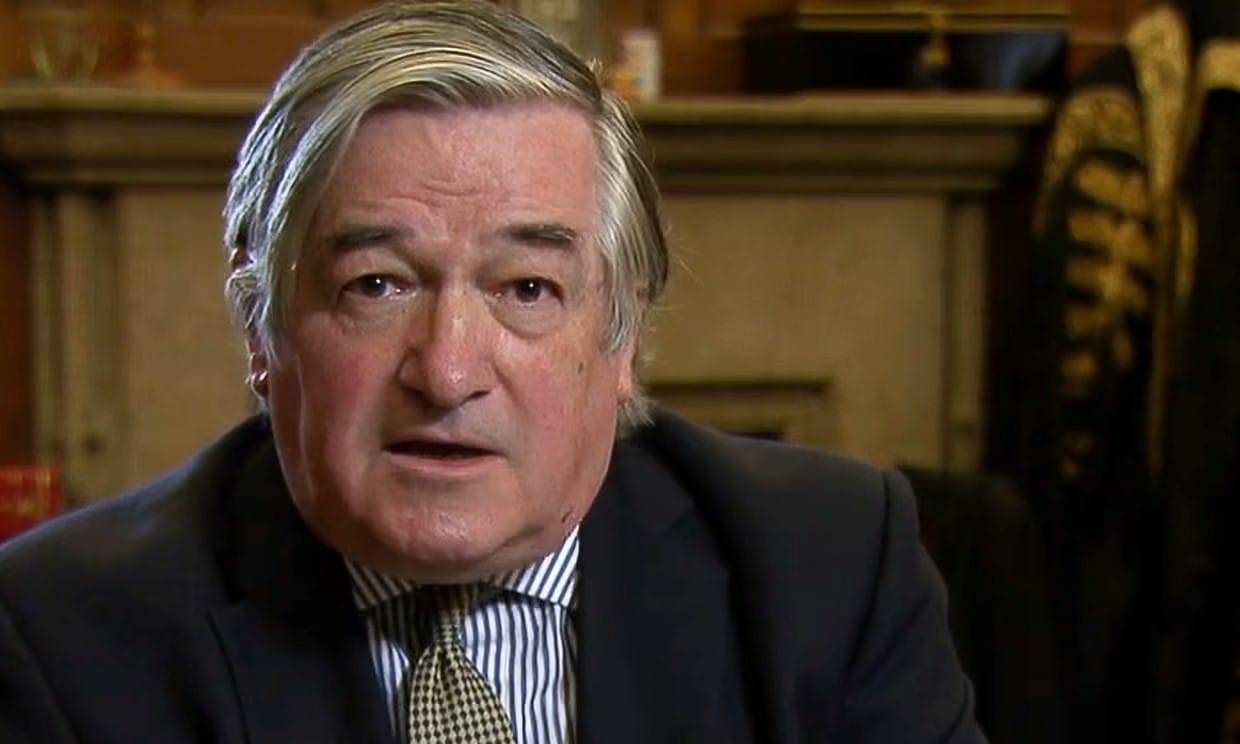
‘A private FDR is a simple concept. The parties pay for a financial remedy specialist to act as a private FDR judge. That person may be a solicitor, barrister or retired judge. No additional qualification is required. The private FDR takes place at a time convenient to the parties, usually in solicitors’ offices or barristers’ chambers. A full day is normally set aside to maximise the prospects of settlement. It takes the place of the in-court FDR.’
What can you expect at a Private FDR?
Firstly, the parties should be reminded that a private FDR is a voluntary hearing. They are willingly in attendance as they are both invested to reach an agreement at this stage. Before attending, the parties will have mutually selected a judge who will often be a barrister or retired judge themselves. Moreover, they have agreed on a date and venue. Both parties will privately meet with their barrister to discuss the case and ask any question you may have.
Once all parties are ready, both barristers will present submissions of the couples’ respective positions to the judge. You will not have to present evidence yourself. The judge will follow up with further questioning to clarify certain matters in contention. Additionally, offers are essential alongside an agreed schedule of assets if possible. You need to have a very good idea of what the matrimonial assets are. This is crucial before we can decide on an appropriate settlement.
What next?
Following presentations by both parties’ barristers and any additional evidence, the judge will give an indication as to the likely outcome if the case proceeded to a Final Hearing. This indication is not binding. However it does encourage the parties to negotiate. Ultimately, parties are encouraged to settle. Both parties are encouraged to negotiate throughout the remainder of the day with their barristers frequently meeting. The offers will keep going back and forth, until settlement terms are agreed or a stalemate reached.
What are the advantages of a Private FDR?
Specialist Judge
One benefit of a private FDR is that you can select a Specialist judge who is best suited to your case and specialises matrimonial law. If the divorce deals with certain business assets, it would give you a chance to select a judge who has years of experience. Such a judge is experienced in dealing with financial settlements with business asset elements to it.
Judge time and availability
Relaxed environment
Unlike busy and overcrowded courts, where there is no guarantee of a private room, and have the feeling of being back in a classroom with no air conditioning. Private FDRs are often hosted at an agreed neutral venue, such as a barrister’s chambers that are a lot more comfortable and conducive to achieving constructive and successful negotiations. Each party will be given access to a private room where they can discuss each stage with their barrister. There will be working Wi-Fi facilities and light refreshments and lunch. This is in order to reduce the stress and provide a suitable environment given the stressful nature of attempting to settle.
What happens if we reach an agreement?
If the parties resolve matters and reach an agreement at the private FDR, they formalise the agreement in a draft consent order. Both parties sign the order and send it to the court for approval. If the court approves the consent order, the parties then apply for the final order (decree absolute) to formally dissolve the marriage and implement the agreed terms.
However, it is important to note that even if the parties reach an agreement in principle, it does not become legally binding until the court approves and seals the consent order.
What happens if we do not reach an agreement?
Unfortunately, the parties cannot always reach agreement at a private FDR, despite their legal representatives’ best efforts. However, this is rare. The vast majority of private FDRs (over 90%) result in a settlement.
If the parties fail to reach an agreement, they must notify the court. The case then returns to the court for further directions and a Final Hearing, where a judge will make a legally binding order.
Nevertheless, negotiations often continue between the parties’ legal representatives through correspondence in the weeks that follow. In many cases, settlement may still be achieved.
If you are considering beginning the divorce process and are apprehensive as to the next steps, or would like further advice on how you can achieve the best financial settlement, then please contact Blanchards Law at 0333 344 6302 or email us at info@blanchardslaw.co.uk.
Can we help you? Please call us on 0333 344 6302 or contact us through our enquiry form. All initial enquiries are free and without obligation.
"*" indicates required fields